The Ultimate Guide to Collie Dog Breeds
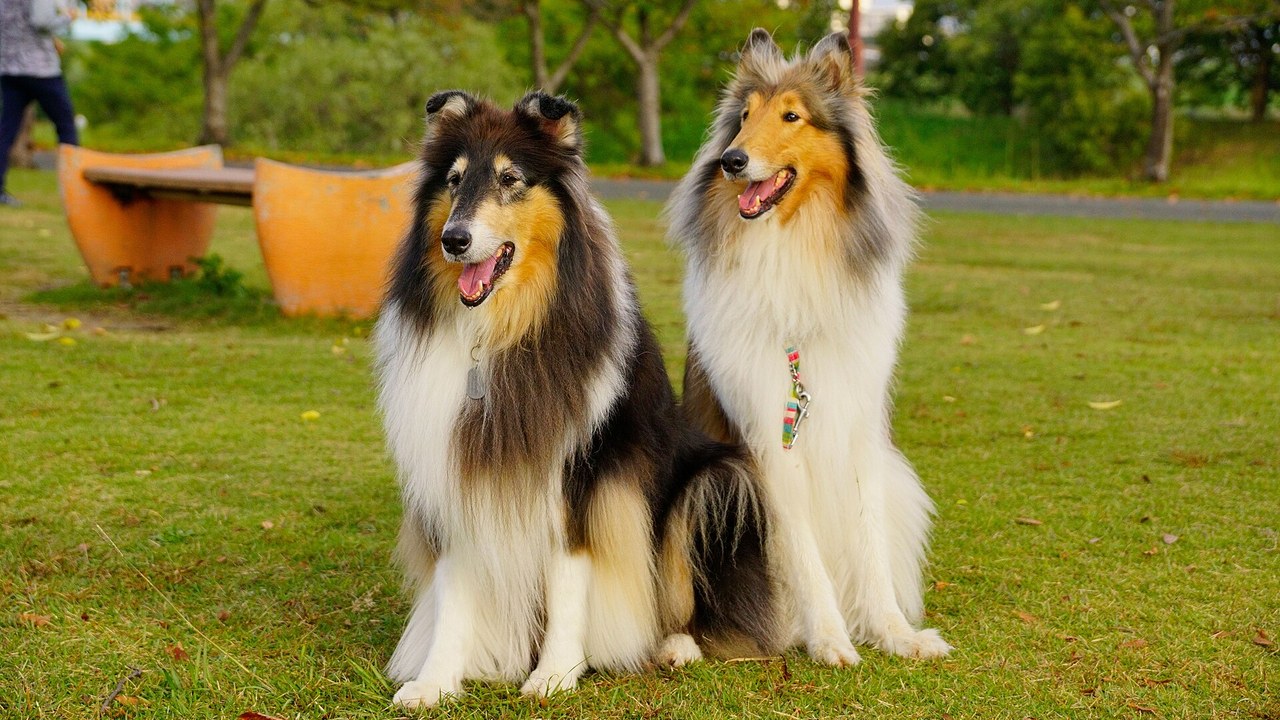
Collies are the breed most people picture when they think of a loyal family dog, but "Collie" covers far more than the long-nosed sable dog from the movies. It is a family of herding breeds built in Scotland for hard work in cold, wet hills, and the different branches — Rough, Smooth, Border, Bearded and Shetland — share a working brain while differing sharply in size, coat and energy. Choosing between them is the difference between a calm household companion and a dog that needs a job every single day.
This guide covers what each Collie type actually is, the temperament they share, the health tests that matter before you buy, and what training a herding dog really demands. The two live guides below on low-shedding breeds and foods toxic to dogs pair well with it.
The Collie family, at a glance
Every Collie was bred to move livestock by eye and voice, which is why the group shares intelligence, sensitivity to tone, and a strong instinct to gather moving things — including children, cyclists and other pets. Where they diverge is size and coat. The Rough and Smooth Collie are the same breed in two coat lengths; the Border Collie is a separate, higher-drive working dog; the Bearded Collie and Shetland Sheepdog round out the group.
| Type | Size (adult) | Coat | Energy level | Best suited to |
|---|---|---|---|---|
| Rough Collie | 50–75 lb | Long, heavy double coat | Moderate | Families wanting the classic, calm Collie |
| Smooth Collie | 50–75 lb | Short, dense double coat | Moderate | Same temperament, far easier grooming |
| Border Collie | 30–55 lb | Rough or smooth | Very high | Active owners, sport, or a real job |
| Bearded Collie | 45–60 lb | Long, shaggy double coat | High | Outdoorsy homes that brush often |
| Shetland Sheepdog | 15–25 lb | Long double coat | High | Smaller homes wanting a bright, trainable dog |
Temperament: smart, soft and sensitive
The Collie's defining trait is not obedience but sensitivity. They read household mood closely and are quick to learn both good habits and bad ones. The AKC places the Rough Collie among the most trainable family breeds precisely because they want to work with you, and they are reliably gentle with children when raised with them. The trade-off is that they are vocal — herding dogs bark by design — and they can be reserved with strangers without early socialization.
The Border Collie is the exception that proves the rule. Bred for the most demanding herding work on earth, it carries an intensity the gentler show lines do not. Without an outlet — sport, advanced training, or real stock — that drive turns into obsession with moving objects, shadow chasing and destructiveness. It is not a "smarter pet"; it is a working specialist that needs work.
Health: the two tests that matter before you buy
Collies are prone to a small set of serious, largely inheritable conditions, and responsible breeders test for them. The two that matter most are Collie Eye Anomaly (CEA), a developmental eye disorder common in the breed, and the MDR1 gene mutation, which makes Collies dangerously sensitive to a range of common drugs including some anti-parasitics — a vet who does not know your dog carries it can cause severe neurological reactions. Hip dysplasia and degenerative myelopathy are also screened for.
Ask any breeder for CEA eye certification and an MDR1 test result. A breeder who cannot produce them is not a breeder to buy from. The ASPCA notes that herding breeds also benefit from early eye exams and ongoing joint care.
Training a herding dog
Collies learn fast, so the priority is teaching them what not to chase. Two things do most of the work. First, a reliable recall drilled in low-distraction settings before it is ever needed in a real field. Second, an official "off-switch" — a mat or crate that means settle — because a bored Collie invents its own job. Short, varied training sessions beat long repetitive ones, and because Collies are soft, patience and reward outperform any harsh correction, which simply shuts them down.
Physical exercise alone is not enough. They need mental work: scent games, puzzle feeders, trick training or herding trials. A Border Collie tired in the body but not the mind will still dig, herd the cat and bark at the window.
Grooming and coat care
The Rough Collie's beautiful coat is a commitment: a heavy double coat that sheds heavily twice a year and mats if neglected, needing brushing several times a week. The Smooth Collie is the same dog at half the grooming cost and is often the smarter choice for busy families. Both blow their undercoat seasonally, so expect a house full of fur regardless of which you pick.
Quick check
You have a new Rough Collie puppy and want to keep him settled indoors. What works best?
Is a Collie right for you?
A Rough or Smooth Collie suits a family that wants an affectionate, trainable, moderately energetic dog and does not mind brushing or a bit of barkiness. A Border Collie suits an active owner with a genuine outlet for the drive. Either way, buy from a breeder who tests for CEA and MDR1, or rescue an adult whose temperament you can see in front of you. Collies reward the effort with a decade of steady, devoted companionship.
Keep Reading
- Dog Breeds That Don't Shed: 12 Picks for Families
- Understanding Different Dog Breeds: From Family Pets to Working K9s
Sources — AKC - Rough Collie Breed Profile
AKC - Border Collie Breed Profile
AKC - MDR1 Drug Sensitivity in Herding Breeds
ASPCA - Collie Dog Care
AVMA - Herding Breed Dog Health
About Animalix — About us • Contact us
Comments
Post a Comment