Phantom Pain in Canine Amputees: Behavioral Manifestations, Mechanisms, and Evidence-Based Management
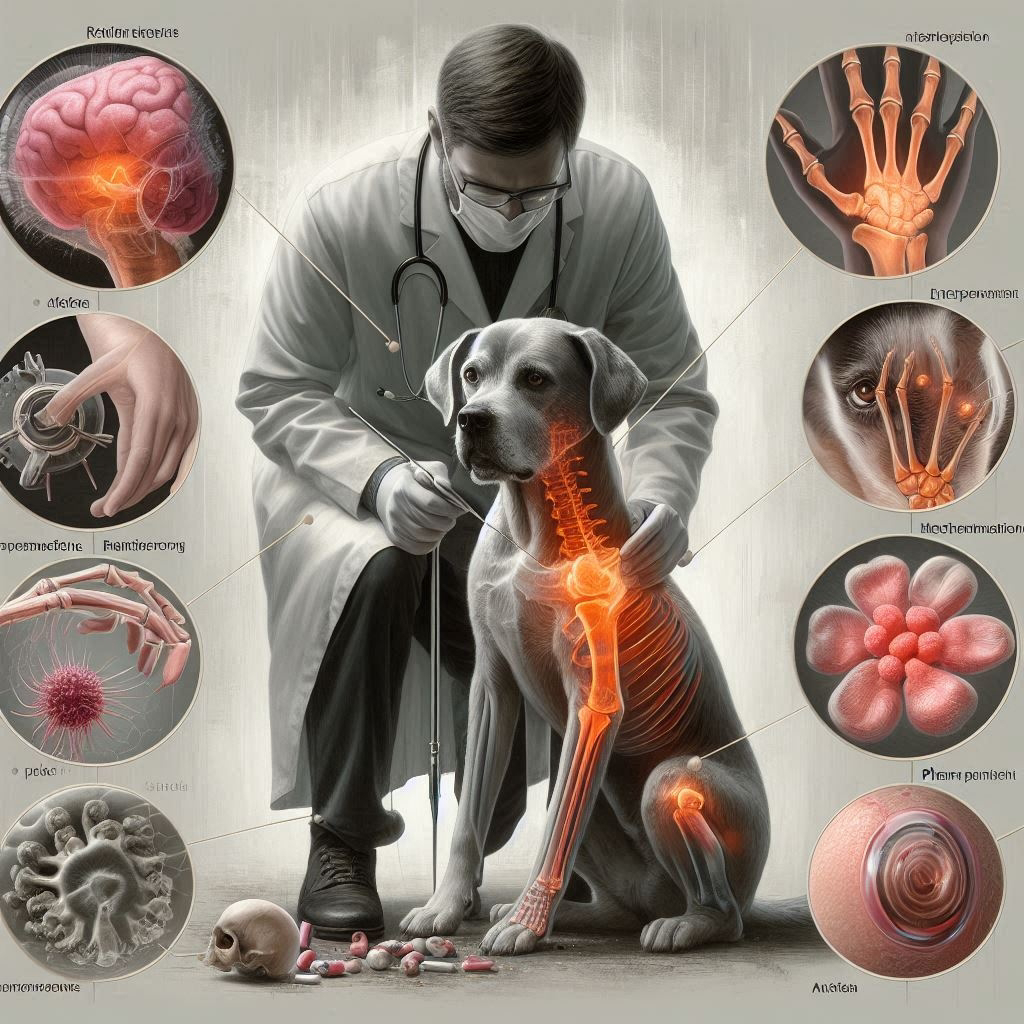
This work synthesizes current evidence on canine phantom pain (CPP), showing that approximately one‑third of amputee dogs exhibit postamputation neuropathic behaviors. Central sensitization is a primary mechanism, and multimodal management—particularly gabapentin and positive reinforcement training—demonstrates efficacy in reducing CPP signs. Standardized diagnostic scales (e.g., CAMPPAIN) facilitate recognition, and ongoing rehabilitation beyond the acute postoperative phase is crucial. The following sections detail methods, results, and mechanistic insights, culminating in practical recommendations for veterinarians and behavioral specialists. Abstract Phantom pain in canine amputees is a neuropathic condition marked by pain sensations in a missing limb. This article reviews peer‑reviewed studies, retrospective case series, and expert surveys to (1) determine CPP prevalence, (2) characterize behavioral markers, (3) explore underlying neurophysiological mechanisms, and (4)...