Posts

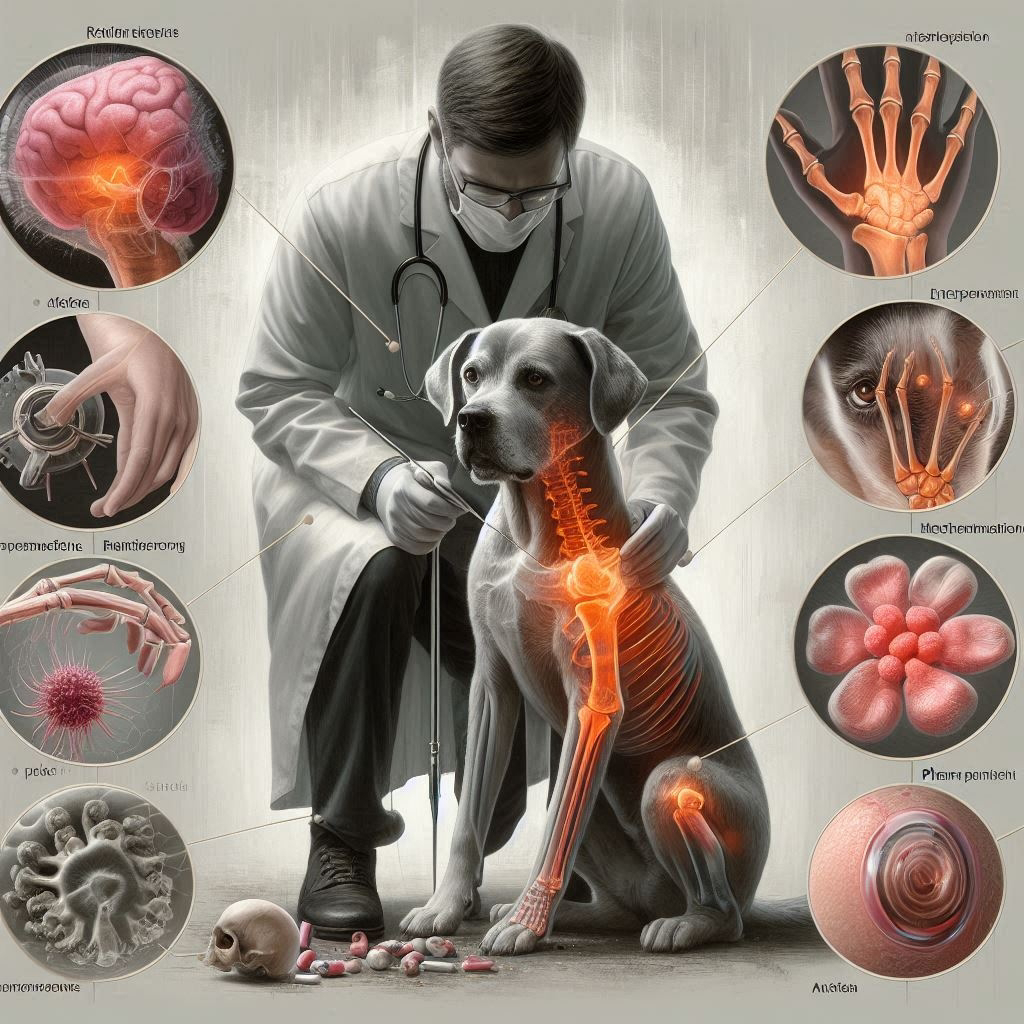
Phantom Pain in Canine Amputees: Behavioral Manifestations, Mechanisms, and Evidence-Based Management
Image
This work synthesizes current evidence on canine phantom pain (CPP), showing that approximately one‑third of amputee dogs exhibit postamputation neuropathic behaviors. Central sensitization is a primary mechanism, and multimodal management—particularly gabapentin and positive reinforcement training—demonstrates efficacy in reducing CPP signs. Standardized diagnostic scales (e.g., CAMPPAIN) facilitate recognition, and ongoing rehabilitation beyond the acute postoperative phase is crucial. The following sections detail methods, results, and mechanistic insights, culminating in practical recommendations for veterinarians and behavioral specialists. Abstract Phantom pain in canine amputees is a neuropathic condition marked by pain sensations in a missing limb. This article reviews peer‑reviewed studies, retrospective case series, and expert surveys to (1) determine CPP prevalence, (2) characterize behavioral markers, (3) explore underlying neurophysiological mechanisms, and (4)...

Getting dogs accustomed to different types of sounds

Image
Dogs, much like humans, live in a world filled with sensory stimuli, and sounds play a crucial role in how they perceive and interact with their surroundings. Getting dogs accustomed to different types of sounds from an early age is an essential practice for their behavioral development, helping them become more confident, calm, and adaptable animals. This process, known as sound desensitization, can make all the difference in a dog’s quality of life and their relationship with their owners. Dogs have highly sensitive hearing, capable of detecting frequencies beyond the human range. As a result, noises such as thunder, fireworks, vacuum cleaners, or even loud music can be frightening or stressful, especially if the dog isn’t used to them. Introducing these sounds gradually and in a controlled manner, while associating them with positive experiences like playtime or treats, helps reduce fear and anxiety. For instance, playing a recording of everyday noises at a low volume while the dog...

Canine Reactivity vs. Aggression: How to Recognize, Understand, and Help Your dog

Image
Imagine a common scene: you’re walking your dog when another animal appears on the street. Your pet barks furiously, raises its hackles, and pulls the leash with all its might. You wonder, “Is he aggressive or just nervous?” This confusion is widespread, but the answer can make all the difference in how you respond and in your pet’s well-being. In this article, we’ll break down the difference between canine reactivity and aggression , using everyday analogies and showing why understanding these behaviors is critical to building a safe, healthy relationship with your dog. What is Reactivity? Reactivity is like a “warning signal.” Picture your dog in a park as another dog approaches quickly. They bark, growl, or lunge—but don’t attack. This reaction is reactivity : an intense response to a perceived threat, novelty, or excitement. Think of a blinking yellow traffic light. Your dog isn’t “looking for a fight”—they’re trying to say, “Watch out, this bothers me!” They’re literally “screamin...