Checking Dog Lumps: When Older Dogs Need a Vet
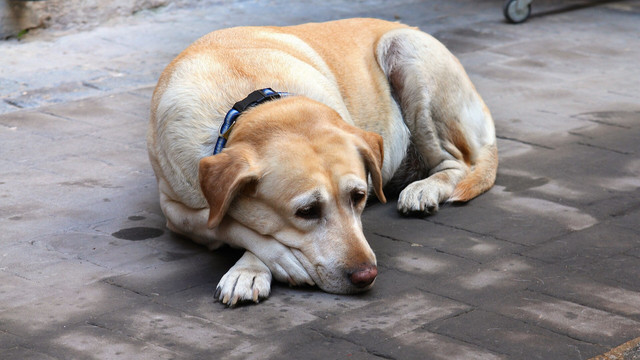
A CVS Vets survey of 1,000 UK owners of dogs aged seven and older found that 93 percent value routine lump checks, yet 33 percent are unsure how to do one.<…
A CVS Vets survey of 1,000 UK owners of dogs aged seven and older found that 93 percent value routine lump checks, yet 33 percent are unsure how to do one.
Clinical Key Takeaways
- 93 percent of surveyed owners of dogs aged seven and older understand the value of routine checks.
- 33 percent of those owners are unsure how to carry out a check.
- 16 percent of owners had never deliberately examined their dog for lumps.
- 30 percent lacked confidence in performing a thorough inspection.
- CVS Vets advises checking every two to four weeks.
Why Checking a Dog for Lumps Matters in Later Life
Older dogs collect lumps much as older people collect freckles and moles: often, and mostly without drama. A harmless fatty swelling and a growth that needs treatment can feel alike under your fingers. Checking a dog for lumps on a regular schedule gives you a baseline, so a change stands out early instead of being discovered by accident.
The Gap Between Knowing and Doing
The CVS Vets survey of 1,000 UK owners shows the gap clearly. Owners largely agree that checks are worthwhile, yet a third are unsure of the method, and 16 percent had never deliberately examined their dog at all. Britain has about 15.5 million dog owners, so even modest percentages point to a great many senior dogs going unchecked.
How to Check Your Dog for Lumps at Home
Set Up a Calm Routine
Choose a quiet moment, ideally after a walk when your dog is relaxed. Keep treats nearby and your voice soft. Dr Shula Berg, Clinical Director at CVS Vets, advises checking every two to four weeks, so tie the habit to something memorable, such as the first weekend of each month. For wider context on senior care, see our species care guide.
Use a Hands-On Method
Work from nose to tail with flat fingertips, making gentle circles through the coat down to the skin. Compare the left side with the right, because symmetry helps you notice what does not belong. A dog lump under skin may feel round and mobile, firm and fixed, or soft and squishy, so note which. A dog lump on chest can hide behind the front legs and along the breastbone, so run your palms along the ribs and between the forelegs.
Keep a Simple Record
Photograph any lump beside a coin or ruler, then note the date and size. Repeat at every check. A written log gives your vet something concrete, which is far more useful than a vague memory that it seemed bigger last month.
Commonly Missed Sites
Most people check the back and neck, where petting naturally lands. The areas that get skipped include the inner legs, the genital region, beneath the tail and around the mouth. Lift the lips to look at the gums and inside the cheeks, and part the fur under the tail with a light touch.
Signs Beyond the Lump Itself
Unusual bleeding, drooling or trouble eating also need attention, since a growth in or near the mouth may announce itself this way before you can see it. Do not wait for your next scheduled check if you notice any of these.
What the Survey Numbers Show
| Measure | Result | Source |
|---|---|---|
| Owners who understand the value of routine checks | 93 percent | CVS Vets survey |
| Owners unsure how to do a check | 33 percent | CVS Vets survey |
| Owners who never deliberately examined their dog | 16 percent | CVS Vets survey |
| Owners lacking confidence in a thorough inspection | 30 percent | CVS Vets survey |
| Recommended checking interval | Every 2 to 4 weeks | Dr Shula Berg, CVS Vets |
When a Lump Needs a Vet
Most lumps are harmless, but deciding that is a job for a vet, and a guess at home will not do. Book an examination if a lump grows, changes in appearance or texture, becomes painful, turns red or inflamed, or produces discharge.
Act Promptly, Not in a Panic
A new lump is a reason to call your practice this week. Describe what you have logged, and ask whether the vet wants to sample it. Early assessment also keeps your options open if treatment is needed.
Dog Lump Removal Surgery Cost
Dog lump removal surgery cost varies by country, clinic, lump size and position, anaesthetic time and whether the removed tissue goes to a laboratory. No single reliable figure covers the US, UK, Canada and Australia, so ask your practice for a written estimate that itemises the exam, tests, surgery, lab analysis and aftercare.
Planning Ahead
Check whether your pet insurance covers lump investigation, and ask about payment plans before you need one. Acting while a lump is small can make the conversation about surgery simpler.
Scientific Evidence
The CVS Vets survey, reported at amedpost.com, questioned 1,000 UK owners of dogs aged seven and older. It found that 93 percent understand the value of routine checks while 33 percent are unsure how to do one.
CVS Vets also found that 16 percent of owners had never deliberately examined their dog for lumps and 30 percent lacked confidence in a thorough inspection, as this report of the findings explains.
Dr Shula Berg, Clinical Director at CVS Vets, advises checking every two to four weeks and seeing a vet for any lump that changes, according to the published guidance.
Frequently Asked Questions
How often should I check my older dog for lumps?
Check every two to four weeks, as advised by Dr Shula Berg of CVS Vets. A short, calm session with treats is enough, and a written log makes changes easier to spot.
Is every dog lump under the skin dangerous?
No, most lumps are harmless, but only a vet can confirm that. Any lump that grows, changes in appearance or texture, becomes painful, red or inflamed, or produces discharge should be examined.
Where do owners most often miss lumps?
Owners most often miss the inner legs, the genital region, beneath the tail and around the mouth. Unusual bleeding, drooling or trouble eating should also prompt a vet visit.