My Dog Keeps Licking His Paws: Causes, Fixes and When to See a Vet
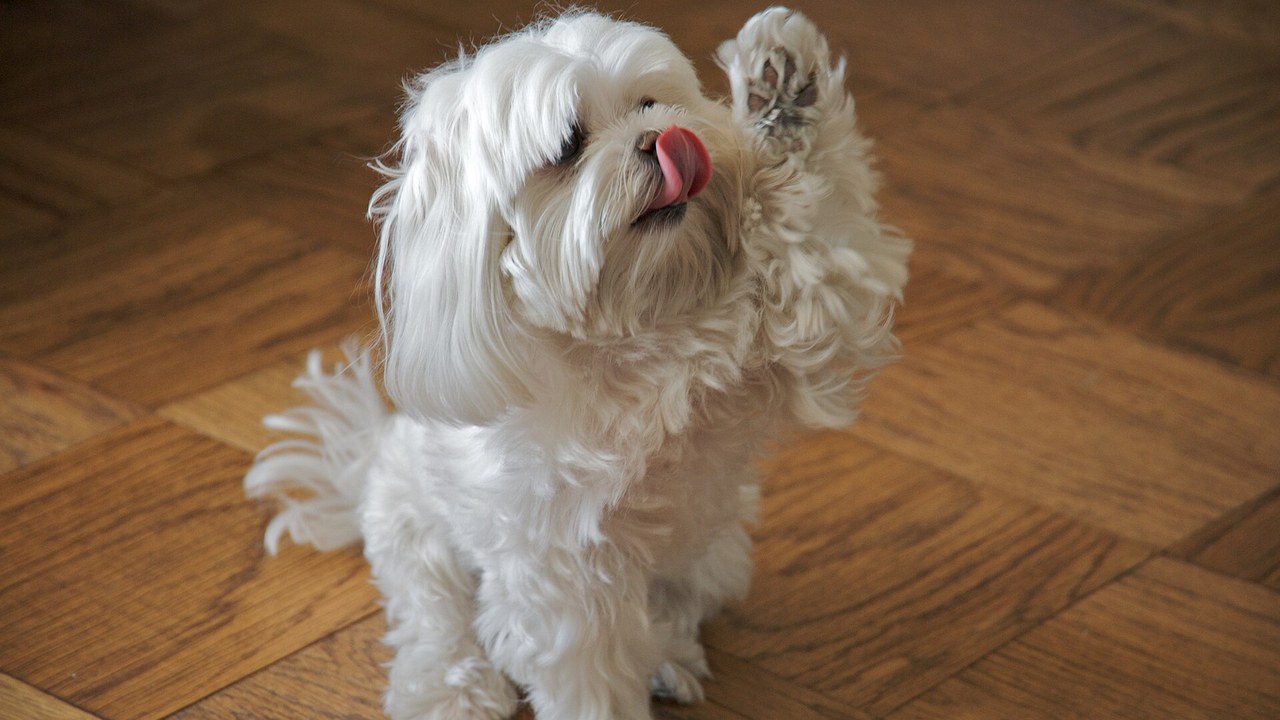
Occasional paw licking is normal grooming. A dog licking one paw again and again, especially when the fur stays damp and brownish, is not cleaning — it is a sign. Persistent paw licking has a short list of usual suspects, and allergies sit at the top of it. The good news is that once you know the pattern, there is a clear path from a quick home check to knowing exactly when your veterinarian needs to be involved.
This guide covers the most common causes and the clues each one leaves, how to examine your dog's paws at home, and the specific signs that mean do not wait. If food could be the trigger, our DNA investigation into what is actually in pet food is worth reading first.
Common causes, and the clues each one leaves
Before you treat anything, identify the likely trigger. Each cause leaves a slightly different fingerprint on the paw.
| Cause | Clues | First step |
|---|---|---|
| Environmental allergies (pollen, grass, dust) | Seasonal, paws and ears, itchy all over | Wipe paws after walks; ask your vet for a plan |
| Food sensitivities | Year-round, itchy skin or gut, one or more paws | Vet-guided elimination diet |
| Injury or pain (thorn, cracked nail, arthritis) | Limping, sudden focus on one paw, flinching | Check pads and nails; vet if limping |
| Parasites (fleas, mites) | Intense chewing, flea dirt, a focused spot | Flea control; vet for mites |
| Boredom or anxiety | Happens when alone or idle, no visible lesion | More exercise and mental work; rule out pain |
| Dry or irritated pads | Rough, cracked pads; hot or treated surfaces | Paw balm; rinse paws after walks |
Allergies: the usual suspect
Environmental allergies are seasonal and tend to hit the paws first, because that is where the dog meets the pollen and grass. Food sensitivities behave differently: they are year-round and often come with gut or skin signs alongside the licking. Either way, the danger is the lick-itch cycle. Saliva keeps the fur damp, damp fur invites yeast and bacteria, and the resulting irritation makes your dog lick more. Breaking that loop — by drying the paws, treating any infection, and stopping the access with a cone if there is an open sore — matters as much as finding the trigger.
Do a home check first
Between the toes, look for redness, swelling, a lodged thorn or burr, cuts, and a cracked or loose nail. Smell the paw: a musty or foul odor suggests yeast or infection. Rust-colored staining on the fur is dried saliva and a clue that this has been going on a while. Also consider the ground he walks on — hot pavement, de-icer, or lawn chemicals can irritate pads directly. If you find a clear foreign object you can remove it safely; if the paw is swollen, bleeding, or he will not let you examine it, stop and call the vet.
Do not reach for human creams or leftover ointments. Steroid and medicated products your vet has not prescribed can mask the problem or make it worse, and some are unsafe if your dog licks them off. If you suspect an irritant rather than an allergy, our guide to toxic and irritating foods covers what should never be within reach.
When to see the vet
- Open wounds, sores, or bleeding that does not stop.
- Limping, swelling, or a paw your dog will not let you touch.
- A foul smell or discharge between the toes.
- No improvement after a few days of wiping and drying the paws.
- Sudden, obsessive licking, or licking with a change in appetite or energy.
Quick check
Your dog licks one paw constantly and the fur there is damp and brownish. What is the most likely pattern?
The bottom line
A quick lick is grooming; a constant one is information. Start with allergies, do a careful home check, break the lick-itch cycle by keeping the paws clean and dry, and address boredom with exercise and mental work. When you see a wound, a limp, a smell, or no improvement in a few days, it is a vet visit rather than a wait. The paw is telling you something — the job is to find out what.
Keep Reading
- 12 Human Foods That Are Toxic to Dogs (And What to Do)
- Dog Breeds That Don't Shed: 12 Picks for Families
Sources — AKC - Should Dogs Lick Wounds to Heal Them?
AKC - Dog Allergies
AKC - Dog Skin Allergies
ASPCA - Dog Care
AVMA - Pet Care
About Animalix — About us • Contact us
Comments
Post a Comment