Dog Coughing Up White Foam: What It Means
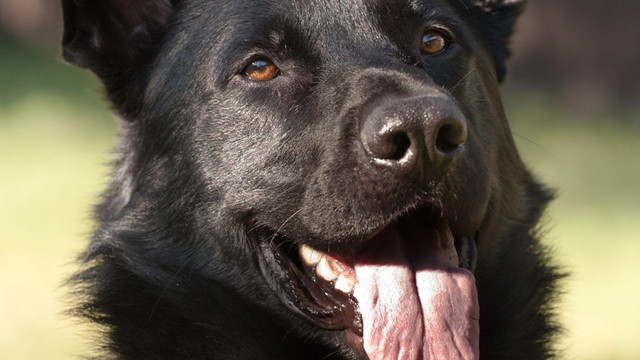
White foam on the floor after a coughing fit looks alarming, and it is easy to assume the worst. In practice, foam is mostly air mixed with saliva and a little mucus, and it can come from the stomach, the throat, the airway, or the lungs. Where it comes from decides how urgent it is.
One pattern is genuinely an emergency: foam that is pink or streaked with blood, paired with heavy breathing, blue-tinged gums, or collapse. That combination suggests fluid in the lungs and needs a vet immediately. The rest of this article is about the far more common gray area, where a dog coughs up foam, then wags its tail and asks for dinner.
First, Decide Which System Is Involved
Dogs vomit and cough through different plumbing, but the sounds are easy to confuse. A cough is a sharp, forceful expiration that ends with a characteristic huff. Vomiting involves the abdomen, retching, and usually brings up food or bile. If your dog produces foam with a heave and a swallow, the stomach is more likely than the lungs.
Frequency and timing narrow it down further. Foam first thing in the morning, on an empty stomach, usually points to nausea or bilious vomiting syndrome. Foam after drinking, eating, or pulling on the lead points to the throat or airway. Foam at night, when the dog is lying flat, points to the heart or the lower airway.
The Four Common Explanations
Nausea and reflux sit at the top of the list for morning foam. A dog that has gone twelve hours without food can bring up frothy bile, swallow it, and carry on. Small meals later at night often solve it, but repeated episodes deserve a check for gastrointestinal disease.
Kennel cough is the second. The American Kennel Club describes canine infectious respiratory disease as highly contagious, spreading through direct contact, aerosols from coughing, and contaminated bowls, leads, and hands. Bordetella bronchiseptica is a common culprit. The cough is usually dry and honking, and a small amount of white foam after a fit is normal because the irritated airway produces mucus that mixes with air.
Airway disease is the third, and collapsing trachea is the classic example in small breeds. The cartilage rings soften, the airway narrows, and the dog makes a goose-like cough that ends in a retch and a fleck of foam. Heat, excitement, and a tight collar all make it worse.
The fourth is heart disease. When the left side of the heart fails, fluid leaks into the lungs, and the dog coughs up froth. This is the pattern that must not wait, particularly in older small-breed dogs with a soft cough at night and reduced exercise tolerance.
What Else Changes the Picture
- A puppy or unvaccinated dog with a wet cough and fever needs same-day assessment
- Foam plus a foreign body, such as a grass awn, often causes violent one-off fits
- Foam plus weight loss or a change in bark suggests something chronic
- Foam plus swelling under the jaw points to the throat, not the chest
What to Do in the Next Hour
Keep the dog calm and quiet. Excitement and heat worsen airway coughs. Remove the collar and use a harness instead, loosen anything tight around the neck, and offer small sips of water rather than a full bowl. Do not put your fingers in the mouth to search for something you cannot see, because you risk pushing it deeper.
Count the breaths while the dog is resting. Anything above roughly 30 breaths per minute in a calm dog is a reason to call the vet. Check the gums: pink is normal, blue, gray, or white is an emergency.
Record a short video of the cough. Vets can distinguish kennel cough, tracheal collapse, and cardiac cough far more accurately from a ten-second recording than from a verbal description, and it costs nothing.
What the Vet Will Do
A stethoscope comes first, listening for wheeze, crackle, or a heart murmur. Depending on what is heard, the next step is usually chest radiographs, sometimes with the neck included to assess the trachea. A cardiac workup with ultrasound is standard if a murmur is present. For infectious cough, a swab or wash may identify the pathogen, though many cases are treated on pattern alone.
Treatment depends entirely on the cause. Bacterial involvement may need antibiotics, but viruses do not respond to them. Cough suppressants help some dogs and are avoided in others, because a productive cough is clearing material. Diuretics and heart medication are used when the problem is cardiac. The wrong treatment is not neutral: suppressing a cardiac cough without treating the heart allows fluid to build.
Prevention and Everyday Management
Vaccination against the main respiratory pathogens reduces severity, and it is worth discussing before boarding, grooming, or a busy training class. Keep a dog with a new cough away from others until a vet has seen it, because the incubation window is short and the spread is efficient.
For dogs with a collapsing trachea, a harness, a cool environment, and weight control make a measurable difference. For dogs with heart disease, the single biggest factor is early diagnosis, which is why an annual exam with stethoscope matters more in middle age than any supplement on the shelf.
White foam is a symptom, not a diagnosis. Most episodes are minor and self-limiting, but the exceptions are the ones that kill, and they are recognisable within minutes by color, breathing rate, and gum color. When in doubt, send the video and make the call.

Comments
Post a Comment