Budgie Ate a Tomato Leaf? When to Worry
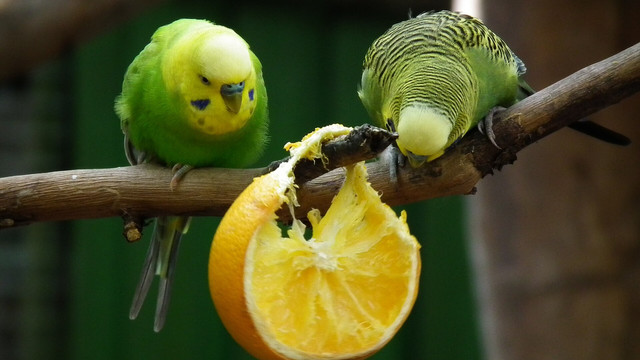
If your budgie ate one tomato leaf and is acting normally, remain calm and remove access to the plant. Most symptoms from a small bite should be mild, but certain signs, including trouble breathing, marked lethargy, repeated vomiting, or diarrhea, warrant an immediate call to your veterinarian or the ASPCA Animal Poison Control.
Tomato plants contain alpha-tomatine, a steroidal glycoalkaloid that can irritate a bird's gastrointestinal tract. The amount your bird swallowed matters, as does the part of the plant involved. A tiny nibble of a leaf is different from eating multiple leaves or a stem, fruit, or large quantity of plant material.
What to do right now
Remove the tomato plant from your budgie's reach. Check the cage, nearby houseplants, food bowls, and floor for leaves or stems your bird may have eaten. Save a sample or a clear photo for identification if you are uncertain what the plant was.
Rinse your bird's drinking water and refresh the bowl. Do not induce vomiting or give activated charcoal, salt, oil, medication, or home remedies unless a veterinary professional specifically directs you to do so. Budgies are small, and even a seemingly small dose of many products can be unsafe.
Observe your bird closely for the next several hours. If you do not know the exact plant, cannot estimate how much was eaten, or your budgie has any health problems, contact an avian veterinarian or poison-control service for individualized guidance.
What you may see and what it means
| What you may see | What it means | What to do |
|---|---|---|
| No visible symptoms after a small bite | Your budgie may have tolerated a tiny amount, but there is no way to confirm safety at home. | Remove the plant, offer fresh water, and monitor closely for several hours. |
| Regurgitation or repeated vomiting | Gastrointestinal irritation is possible, especially if several leaves, a stem, or unripe fruit were eaten. | Call an avian veterinarian promptly and report the amount and plant part eaten. |
| Watery droppings or diarrhea | The digestive tract may be inflamed, although other illness can also cause diarrhea. | Seek veterinary advice today if symptoms persist or recur. |
| Reduced appetite, lethargy, or sitting fluffed up | These signs can indicate worsening illness and should not be dismissed as simple tiredness. | Call your veterinarian today. Urgent care is appropriate if the bird seems weak or difficult to rouse. |
| Laboured breathing, open-mouth breathing, or tail bobbing | Respiratory distress can be serious and may not be related to the tomato leaf. | Seek emergency veterinary care immediately. |
| Neurologic signs such as tremors, circling, or loss of balance | These are not expected from a normal small bite and may signal a toxic exposure or another serious problem. | Go to an emergency veterinary service immediately. |
Are tomato leaves poisonous to budgies?
Tomato leaves are considered potentially toxic because they contain alpha-tomatine. The greatest concern is ingestion of larger quantities, especially green tomatoes, stems, and leaves. Cooking reduces some of the plant's glycoalkaloid content, but prepared tomato foods can still contain ingredients that are inappropriate for birds, including salt, fat, seasoning, and sometimes onion or garlic.
A budgie that ate a small amount of a fresh leaf may show no symptoms, but a lack of symptoms does not prove that the exposure was harmless. Toxicity depends on the species of plant, the part eaten, the amount consumed, and the individual bird. Budgies are also vulnerable to stress, dehydration, and digestive upset from even minor changes in their environment or diet.
One bite is not necessarily an emergency. Multiple leaves, plant stems, green fruit, or an uncertain large exposure deserve a veterinary phone call. If you cannot identify the plant, bring a photo or sample to the appointment rather than waiting for symptoms to develop.
How to tell if your budgie is in distress
Normal behavior after eating includes alert eyes, steady movement, normal vocalizing, and the ability to perch and flap normally. Watch for changes from your bird's usual baseline. Budgies often conceal illness, so subtle changes can matter.
Concerning signs include sitting on the cage bottom, persistent fluffing, reduced activity, not eating for several hours, increased thirst, straining to defecate, repeated regurgitation, and changes in droppings. Contact your veterinarian if these signs develop after the exposure, even if you believe the amount was small.
Do not wait overnight to report repeated vomiting or diarrhea in a small bird. Dehydration can develop quickly, and your veterinarian may recommend an examination, fluids, or supportive care based on the bird's condition.
When to call the vet today
Call your veterinarian today if your budgie ate more than a tiny leaf, ate a stem or green fruit, has symptoms that persist or recur, or has recently been ill. Also seek guidance if you are unsure of the plant's identity or the amount consumed. A same-day consultation is sensible for reduced appetite, unusual droppings, repeated regurgitation, marked thirst, or noticeable lethargy.
Go to an emergency veterinary service immediately for trouble breathing, collapse, severe weakness, inability to perch, persistent seizures or tremors, significant neurologic signs, or a swollen abdomen. Do not delay because the suspected exposure was only a tomato leaf. These findings can indicate another problem, and rapid treatment offers the best chance of recovery.
When you call, provide your budgie's age, weight if known, the plant's name, the part eaten, the estimated amount, when it happened, and any current symptoms. Keep the plant sample or photos available. If ingestion is suspected, ASPCA Animal Poison Control can provide toxicology guidance, but your veterinarian remains responsible for evaluating and treating your bird.
Sources
- ASPCA Animal Poison Control. Guidance on plant toxicity and animal poison-control consultation.
- Merck Veterinary Manual. Information on poisoning in birds and the evaluation and treatment of suspected toxic exposures.
- U.S. Department of Agriculture, Agricultural Research Service. Information on glycoalkaloid content and toxicity in tomatoes and related Solanaceae plants.
FAQ
My budgie ate one tomato leaf. Is that an emergency?
A single small bite may not cause serious problems, but you should remove the plant and monitor your bird closely. Call an avian veterinarian promptly if you are unsure of the amount, the leaf came from a plant treated with anything, or your budgie shows any symptoms.
What are the warning signs after a budgie eats a tomato leaf?
Watch for vomiting, diarrhea, reduced appetite, lethargy, fluffed-up sitting, tremors, loss of balance, and breathing difficulty. Breathing problems, collapse, severe weakness, or neurologic signs require immediate emergency veterinary care.
Should I make my budgie drink water or give it a home remedy?
Provide fresh drinking water, but do not force fluids or give charcoal, salt, oil, or other remedies unless a veterinarian directs you. Inducing vomiting is not recommended in birds because it can cause serious complications.
Comments
Post a Comment